 1st JMSB
QV/07.01Guide
Soldier first aid: the 3 Bs
What every rifleman does for himself and his buddy before the lifesaver arrives.
G1GuideThe 3 Bs
Self aid and buddy aid are three checks, always in this order: Bleeding, Breathing, Beating.
- Bleeding: stop it.
- Breathing: is the casualty breathing, and is the airway open?
- Beating: is there a pulse?
- Self aid is what you do to yourself. Buddy aid is what you do for the soldier next to you.
- The 3 Bs are the short form of MARCH, which CLS and Medics use.
- CBRN has its own guide, with a self aid and buddy aid section.
G2GuideScope
Every soldier stops bleeding, keeps an unconscious buddy's airway open, and calls CLS. Nothing else.
- You do: tourniquet, pressure bandage, elastic wrap, pulse and breathing checks, head turn, recovery position, CPR, paracetamol.
- You do not: airway adjuncts, chest seals, needles, IVs, any medication other than paracetamol.
- Call CLS for: any unconscious casualty, any chest wound, bleeding you cannot stop, a limb that will not work.
G3GuideKit
- Tourniquets
- Pressure bandages
- Elastic wraps
- Paracetamol
Quantities are not set yet.
G4GuideSelf aid
You are conscious, so self aid is the first B and pain.
- Get to cover.
- Tourniquet any limb with many wounds.
- Pressure bandage every other wound.
- Elastic wrap once the bleeding has stopped.
- Paracetamol for pain.
- Call CLS if you cannot stop the bleeding or a limb will not work.
QV/07.01/G5Buddy aid
Get your buddy to cover, then work the 3 Bs in order.
BG-5.1GuideStep 1: Is the casualty bleeding?
Stop it. Head wounds first, then limbs, then the rest.
BG-5.2GuideStep 2: Is the casualty responsive?
- Yes: finish bandaging, give paracetamol, done.
- No: call CLS and keep going.
BG-5.3GuideStep 3: Is the casualty breathing?
- Yes: go to step 4.
- No: turn the head to clear the mouth and check again.
BG-5.4GuideStep 4: Is there a pulse?
- No: start CPR. 2 minutes, check the pulse, repeat until CLS takes over.
- Yes: put the casualty in the recovery position and stay with them.
G6GuideBleeding
Unstopped bleeding leads to unconsciousness, cardiac arrest and death. Stop it first.
Tourniquet and elastic wrap:
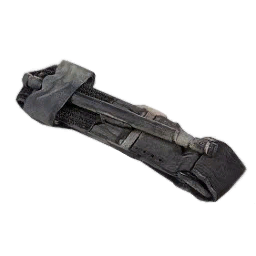
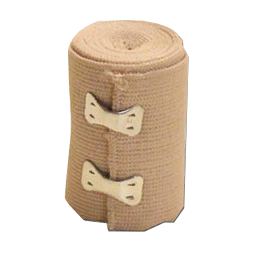
- Limb with many wounds: tourniquet.
- Everything else: pressure bandage. This is the only bandage you can put on yourself.
- Once bleeding has stopped: elastic wrap over bandaged or clotted wounds so they do not reopen.
- Elastic wrap does not stop a bleeding wound on its own.
- Small wounds may clot by themselves. Clots are unstable. Wrap them.
- Head wounds on an unconscious casualty come first. Blood runs into the airway.
- Tell CLS which limbs have tourniquets. A tourniquet blocks IVs on that limb.
G7GuideBreathing
An unconscious casualty's tongue falls back and blocks the airway, so the airway has to be held open.
Check breathing tells you one of four things:
| Result | What to do |
|---|---|
| Not breathing | Head turn, check pulse, call CLS |
| Shallow | Chest injury or closing airway. Call CLS |
| Slow or rapid | Tell CLS |
| Normal | Recovery position |
- Head turn clears slight blockages from the mouth.
- The recovery position keeps the airway open and drains vomit and blood.
- The recovery position blocks most other treatment. CLS will roll the casualty back when they need to work.
- Blue skin on the face and arms means the casualty is short of oxygen. Tell CLS.
G8GuideBeating
No pulse at the neck means cardiac arrest, and CPR is the only thing you can do about it.
- Check the pulse at the head.
- No pulse: CPR for 2 minutes.
- Check the pulse again.
- Repeat until the pulse returns or CLS takes over.
- A weak or missing pulse at the arms or legs means heavy blood loss. Tell CLS.
- Do not put a casualty with no pulse in the recovery position. It blocks CPR.
G9GuidePain
Paracetamol is the only painkiller a soldier carries.
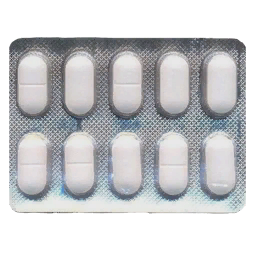
- Dose: 1 to 2 pills.
- Starts working in about 4 minutes and lasts about 50.
- It is weak. For worse pain, ask CLS.
G10GuideHandover to CLS
Tell CLS four things when they arrive.
- What happened and how long the casualty has been down.
- Where the tourniquets are.
- Whether there is a pulse and breathing.
- Whether you gave paracetamol and how many pills.